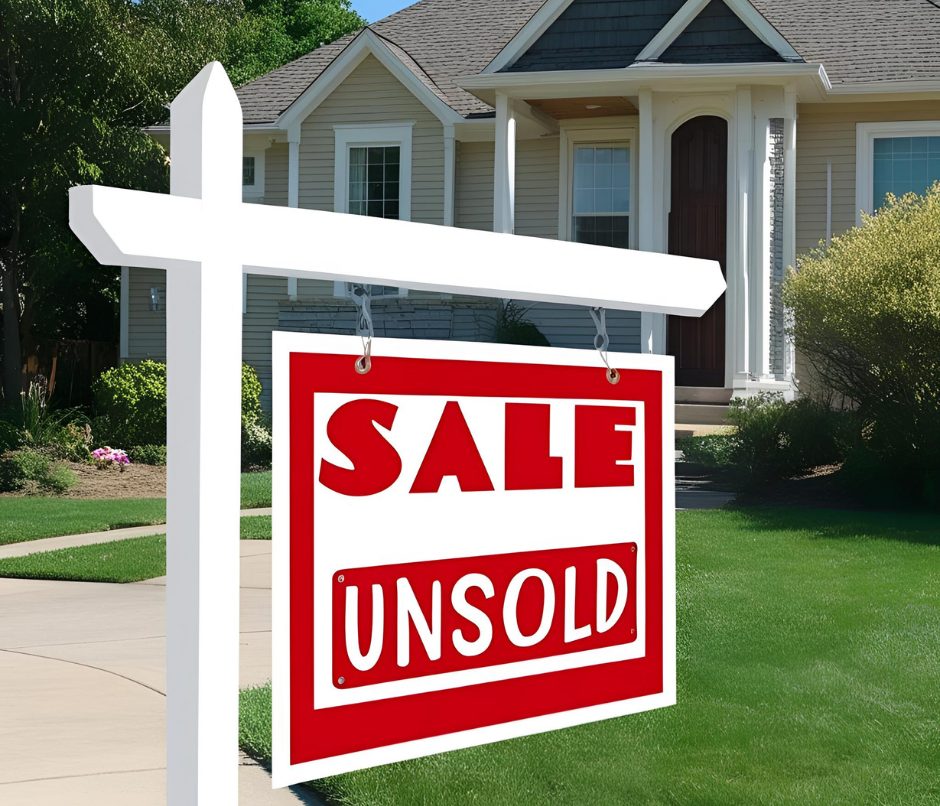
Recently, a friend asked me about their property taxes and why hiring a protest company didn’t result in a lower tax bill. They shared their experience, and it’s a situation many Texas homeowners can relate to:
“We got our 2024 property value notice back in April with a Market Value of $216,414 (which seems inflated for our neighborhood) and an Appraised Value of $186,557. We hired a protest company, and they managed to lower the Market Value to $207,202—a reduction of $9,212. However, our taxes didn’t go down; in fact, they increased by 10.7%! Was it a waste to hire a protest company?”
This question touches on some key elements of how property taxes are calculated in Texas.
1. Market Value vs. Appraised Value
In Texas, your property taxes are based on the appraised value, not the market value. While the market value is the estimated selling price of your home, the appraised value is the taxable amount determined by your county’s appraisal district.
If you have a homestead exemption, the appraised value is subject to a cap and cannot increase by more than 10% per year, regardless of how much the market value increases. This means even if a protest company successfully lowers your market value, it may not reduce your appraised value—and, therefore, your taxes—if your appraised value is still below the new market value.
2. Protesting Market Value
The protest company did their job by reducing the market value. However, if your appraised value is capped and hasn’t yet caught up to the market value, lowering the market value won’t directly impact your taxes. The appraised value still has room to rise within that 10% annual limit.
In this case, the appraised value increased, as allowed by the cap, which is why the tax bill went up despite the market value reduction.
3. Are Protest Companies Worth It?
Protest companies aren’t necessarily a scam, but their results can vary depending on your situation. They’re most effective when your appraised and market values are very close, or if your property doesn’t have a homestead exemption. If your market value is far higher than your capped appraised value, their efforts won’t translate into immediate tax savings.
The Bigger Picture
Unfortunately, this situation highlights a challenge many homeowners are facing. Even with efforts to lower market values, rising appraised values and tax rates often lead to higher bills. Between property taxes and rising insurance costs, so many Texans are feeling the strain.
While I wish there were an easy fix, I hope this explanation helps clarify what happened and why the taxes increased despite the protest. If you’re dealing with a similar situation, know that you’re not alone, and understanding how these systems work can at least help make the process less frustrating.
Why Lowering Market Value Doesn’t Always Reduce Your Tax Bill
The Night Shift: Your 20-Minute Secret to Morning Bliss
Listen up, fellow chaos warriors! Ever walked into your kitchen at 7 AM, spotted last night’s pizza party aftermath, and wished you could time-travel back to make better life choices? Same here! But what if I told you there’s a way to wake up to a home that looks like cleaning fairies visited while you slept? (Spoiler: It’s actually just you being a responsible adult for 20 minutes, but let’s keep the fairy tale alive! 🧚♀️)
Welcome to what the pros call the “closing shift” – except instead of closing down a Starbucks, you’re shutting down Casa Chaos. And trust me, it’s way more fun than it sounds!
Your 20-Minute Game Plan to Morning Magnificence
1. Sink Attack! (5-7 minutes) 🚰
First stop: the kitchen sink, aka the bacteria party central. Time to shut down that microscopic rave! Load up the dishwasher or channel your inner dish-washing deity. Pro tip: Turn on your favorite song and pretend that scrubbing brush is a microphone. Just remember to actually clean while you’re performing!
2. The Great Migration (5-7 minutes) 📦
You know all those random items doing the couch-to-counter walk of shame? Time for Operation: Everything-In-Its-Place! Chase down those rebel remote controls, wrangle the wild charging cables, and guide those lonely socks back home. Think of it as a treasure hunt, except you already know where everything belongs (right?).
3. The Surface Sweep (1-2 minutes) 🧹
Armed with your trusty cleaning spray, become the superhero your countertops deserve. Those mysterious sticky spots and breakfast crumbs? Not on your watch! Bonus points if you tackle the bathroom mirror before those toothpaste spots become permanent art installations.
4. Couch CPR (1-2 minutes) 🛋️
Show that sofa some love! Fluff those cushions like they’ve personally offended you, fold blankets with the precision of a military operation, and rescue any snacks that have fallen into the cushion void. Your future self will thank you when they’re not sitting on yesterday’s popcorn kernels.
5. The Final Farewell (1-2 minutes) 🗑️
End your shift by saying goodbye to the day’s trash. It’s like a mini-decluttering ceremony – out with the old, in with the clean bags! Plus, no more midnight trash runs when that banana peel starts getting too friendly with your nostrils.
Bonus Round for Overachievers! 🌟
Still feeling energetic? (Who are you, and what have you done with my reader?) Here are some extra credit tasks:
- Let the robot vacuum do its happy dance across your floors
- Save your future self from the morning wardrobe crisis by laying out tomorrow’s outfit
- Set up the coffee maker (because let’s be real, tomorrow-you will need it)
Remember, this isn’t about achieving domestic perfection – it’s about being kind to your future self. Think of it as sending a love letter to Tomorrow You. And Tomorrow You? They’re going to wake up, look around at their serene space, and feel like they’ve got their life together (even if they’re still wearing mismatched socks).
Now go forth and close that shift like the household boss you are! 💪
—–
Inspired by “The 20-Minute Cleaning Routine You Should Do Every Night, According to a Professional Organizer” by Mary Cornetta for Better Homes and Gardens, November 12, 2024
Simple Changes That Can Help Sell Your Home
Have you ever wondered why some homes sell quickly while others linger on the market? Sometimes it’s just a matter of making a few key changes that can transform how buyers see your property.
Learning from Experience
When we’re called in as a second listing agent, we often notice opportunities for improvement that could make a real difference in attracting buyers. The good news? These same tips can help anyone preparing to list their home for the first time too.
Common Challenges (And How to Fix Them)
Here are some frequent issues we’ve noticed in homes that struggled to sell initially:
First Impressions Matter
- Dark or unclear listing photos that don’t showcase your home’s features
- Personal items (like family photos and diplomas) that make it harder for buyers to envision themselves in the space
- Cluttered rooms that feel smaller than they actually are
- Very specific decorating styles that might not appeal to everyone
- Heavy window treatments that block natural light
Looking After Your Investment
- Visible maintenance issues, like rotting wood or peeling paint
- Overgrown or neglected landscaping
- Empty homes showing signs of needing care
- Dated features that could use refreshing
Setting the Stage
- Rooms that need better furniture arrangement
- Dark paint colors that make spaces feel smaller
- Areas that could benefit from better lighting
Small Changes, Big Impact
It’s amazing how seemingly minor adjustments can transform a space. Here are some simple steps that can make a real difference:
- Clear the Clutter
- Pack away personal photographs
- Clean off countertops and surfaces
- Organize closets and storage areas
- Remove excess furniture to make rooms feel larger
- Brighten Things Up
- Switch heavy curtains for lighter ones
- Consider neutral paint colors for dark walls
- Make sure all light fixtures work
- Give those windows a good cleaning
- Take Care of the Basics
- Fix visible repairs
- Touch up paint where needed
- Check that all doorknobs and handles work properly
- Address any maintenance concerns
- Show Off Your Yard
- Keep the lawn tidy
- Refresh mulch in garden beds
- Add some colorful flowers
- Clean up the exterior
- Make Spaces Welcoming
- Arrange furniture to show how rooms can be used
- Add a few simple decorative touches
- Give each room a clear purpose
- Create neutral, inviting spaces
The Before and After
Sometimes sellers give us skeptical looks when we suggest adding a plant here or removing a diploma there. “Will this really make a difference?” they ask. But once the changes are made and new photos are taken, the transformation often surprises everyone – in the best possible way!
A Fresh Start
Whether you’re listing your home for the first time or trying again, these simple changes can help buyers see your home’s true potential. Sometimes it’s those little details that make all the difference in helping a buyer fall in love with your property.
Every home has potential. Sometimes it just needs a fresh perspective to help that potential shine through.
Need help getting your home ready to sell? Let’s talk about how to make your property stand out to buyers.
Property Condition: Making Smart Choices When Selling Your Home
When your home has been on the market without selling, it’s natural to wonder if its condition played a role. Let’s look at how property condition affects buyer interest and what improvements might make sense for your situation.
Understanding Return on Investment
Not all home improvements are created equal when it comes to selling. While you might love that custom water feature you installed, buyers might see it as maintenance headache. Here are some improvements that typically offer the best return:
- Fresh paint (interior and exterior)
- Updated lighting fixtures
- Modern hardware on cabinets and doors
- Professional carpet cleaning or replacement
- Basic landscaping improvements
- Kitchen and bathroom updates (think surface-level, not complete remodels)
These relatively low-cost improvements often provide the biggest bang for your buck in terms of buyer interest and offer prices.
The Power of Minor Updates
Sometimes, small changes can dramatically impact how buyers perceive your home. Consider these high-impact, low-cost improvements:
- Deep cleaning of all surfaces
- Caulking around windows, tubs, and sinks
- Fixing leaky faucets and running toilets
- Replacing outdated light switch plates
- Power washing exterior surfaces
- Trimming bushes and adding fresh mulch
- Cleaning or replacing weathered front door hardware
These updates might seem minor, but they signal to buyers that your home has been well-maintained.
When to Sell “As-Is”
Sometimes, making improvements isn’t the best strategy. Here’s when selling “as-is” might make sense:
- If you need to sell quickly
- When improvement costs would be difficult to recoup
- If comparable sales don’t support a higher price even with updates
- When your property would appeal to investors or renovation-minded buyers
The Impact of Deferred Maintenance
Buyers today are particularly sensitive to maintenance issues. Here’s how deferred maintenance affects buyer behavior:
- Many buyers overestimate repair costs
- Maintenance issues often lead to lower offers than the actual repair costs
- Buyers might use maintenance issues to negotiate aggressively
- Some buyers won’t even consider homes needing significant work
- Financing can be harder to obtain for homes with maintenance issues
Making Smart Decisions About Improvements
Before deciding on any improvements, consider:
1. Your Timeline
- How quickly do you need to sell?
- Do you have time to complete improvements?
- Are contractors available when you need them?
2. Your Budget
- What funds are available for improvements?
- Which improvements offer the best return?
- Could strategic price adjustments work better than improvements?
3. Your Market
- What conditions are buyers expecting in your price range?
- What features are current buyers prioritizing?
- How much competition exists from updated homes?
Moving Forward
Whether you choose to make improvements or sell as-is, the key is making an informed decision based on your specific situation. Consider getting input from real estate professionals who can:
- Providing market-specific advice about improvements
- Connecting you with reliable contractors (ask me about pay-at-close options)
- Helping you understand which issues might impact financing
- Guiding you toward the most cost-effective solutions
Ready to discuss your specific situation? I’d be happy to provide a no-obligation consultation to help you evaluate your options and develop a strategy that makes sense for your home and circumstances.
—
Remember: The goal isn’t to create a perfect home – it’s to make smart choices that help your home sell for the best possible price in your timeframe and budget.
Keeping Warm AND Safe: A Complete Guide to Space Heater Safety
When winter temperatures drop, many homeowners turn to space heaters for additional warmth in their homes. While these portable heating solutions can be effective, especially in spaces like finished basements, converted attics, and home offices, it’s crucial to understand how to use them safely.
Understanding Space Heater Safety
Supplemental heating can make challenging spaces more comfortable, but it’s important to know both the benefits and responsibilities that come with space heater use. Let’s explore the essential guidelines that every homeowner should follow.
Essential Safety Guidelines
1. Strategic Placement is Key
The most important factor in space heater safety is proper positioning. Maintain at least 3 feet of clearance from any furniture, curtains, or decorative items. Always place heaters on solid, flat surfaces – never on carpets or rugs.
2. Size and Space Considerations
Choosing the right size heater is crucial for both safety and efficiency. Follow this simple formula: calculate 10 watts per square foot of space you want to heat. For example, a 150-square-foot home office would need a 1,500-watt heater for efficient warming.
3. Power Management
Here’s a critical safety tip: never use extension cords with space heaters. Direct wall outlet connections are the only safe option. If you find yourself needing an extension cord, that’s usually a sign that you should reconsider the heater’s location.
4. Smart Features for Modern Homes
Today’s space heaters often come with built-in safety features that make them more secure and efficient:
- Automatic shut-off mechanisms
- Tip-over protection
- Smart phone controls
- Eco modes for energy efficiency
Energy Cost Considerations
When choosing a heating solution, it’s important to consider long-term costs. A typical space heater running 8 hours daily can add about $50 to your monthly electric bill. However, newer models with Eco Mode features can cut these costs by up to 50% – an important factor when choosing your heating solution.
Home Heating Tips
When evaluating your home’s heating needs, pay attention to areas that might benefit from supplemental heating:
- Rooms that feel consistently colder than others
- Areas that might need additional insulation
- Spaces where central heating doesn’t quite reach
Understanding space heater safety is crucial for winter comfort and security. By following these guidelines, you can keep your home both warm and safe during the colder months.
—
*This article was inspired by safety guidelines from Shivani Vyas’ recent publication on space heater safety (November 2024).*
The Price is Right: Why Correct Pricing Makes or Breaks Your Home Sale
When selling your home, no single decision impacts your success more than your initial asking price. While it’s tempting to “test the market” with a higher price, this strategy often backfires, leading to longer selling times and, ironically, lower final sale prices.
Why the First 30 Days Matter Most
Your listing’s initial month is crucial. This “golden window” generates the highest concentration of showings and buyer interest. Fresh listings appear at the top of search results, trigger automatic alerts to potential buyers, and create natural buzz that’s hard to recapture later.
Think of it like a movie premiere – there’s excitement when it first releases, but that enthusiasm quickly fades. When a home lingers on the market, buyers often assume something’s wrong with it, even if the only issue was the initial pricing strategy.
Warning Signs Your Home is Overpriced
- Limited Showings and Offers
If your home has been listed for several weeks with minimal showings or no offers, it’s likely priced too high. Today’s buyers are well-informed and can easily spot (and avoid) overpriced listings.
- Consistent Negative Feedback
When potential buyers consistently comment that your home is overpriced compared to similar properties they’ve seen, it’s time to reassess. As the National Association of Realtors notes, this feedback often leads agents to adjust their price recommendations based on market conditions and property uniqueness.
- Helping Sell the Competition
Consider this scenario: Your home’s market value is $400,000, but you’ve listed it at $420,000. Qualified buyers searching in the $375,000-$400,000 range won’t see it, while those looking at $420,000 properties will find better value elsewhere. Your overpriced listing actually helps sell other homes in the area.
- Extended Market Time
The longer your home sits on the market, the more likely buyers are to question what’s wrong with it. In today’s market with growing inventory, a stale listing becomes increasingly difficult to sell, often leading to:
- Buyers assuming there are hidden problems
- Perception of seller desperation
- Buyers waiting for further price reductions
- Lower offers than the reduced price
The Strategic Advantage of Correct Pricing
Here’s a counter-intuitive truth: pricing at or slightly below market value often yields a higher final sale price than starting high. Strategic pricing creates urgency and competition, potentially leading to multiple offers and stronger negotiating power for the seller. Just last month this strategy worked for one of my sellers, getting them several above-asking-price offers.
Remember: The market determines your home’s value, regardless of what you paid for it, your improvements, or your financial needs. Working with an experienced real estate agent to position your home correctly from day one remains your most powerful tool for achieving the best possible outcome.
—–
*Credit: Portions adapted from Keeping Current Matters*
Quick Decluttering Hack for Busy Homeowners!
Feeling overwhelmed by clutter? Here’s a game-changing approach: The 30-Minute Method! As your local real estate agent, I know how daunting home organization can feel, especially when preparing for a move or sale.
Try this: Pick one room and set a 30-minute timer. That’s it! No need to tackle the whole house at once. Do a quick sweep, sort items into simple categories (keep, donate, trash), and keep the momentum going with your favorite upbeat playlist!
My pro tip: Start with a small space like a coffee table or kitchen counter. You’ll be amazed at what you can accomplish in just half an hour!
Thinking about selling your home? A clutter-free space can make a world of difference in your home’s presentation. I’m here to help with more practical tips for getting your home market-ready!
Current Foreclosure Data Indicates Housing Market Stability, Unlike 2008 Crisis
Recent analysis from Keeping Current Matters demonstrates that despite current economic pressures, today’s housing market shows remarkable resilience compared to the 2008 financial crisis. Their article, “Why Today’s Foreclosure Numbers Won’t Trigger a Crash,” presents compelling evidence that current foreclosure trends differ substantially from those that precipitated the last housing crash.
According to ATTOM Data, current foreclosure activity remains significantly below historical crisis levels. While there has been a modest uptick in foreclosure filings since the expiration of the pandemic-era moratorium (indicated in white on the graph), these numbers pale in comparison to the peak levels observed during 2009-2010, when quarterly foreclosure initiations exceeded 550,000 properties.
The key differentiator between today’s market and the 2008 crisis lies in home equity positions. Contemporary homeowners generally maintain substantial equity buffers in their properties, providing financial flexibility during periods of economic stress. This stands in stark contrast to the 2008 crisis, when negative equity positions were widespread, leaving homeowners with few options when facing financial hardship.
Despite increased cost-of-living pressures across the economy, this equity cushion continues to serve as a stabilizing force in the housing market. The temporary spike in foreclosure activity following the moratorium’s end represents a return to normal market operations rather than systemic distress. Current data shows quarterly foreclosure initiations hovering around 75,000 properties – approximately one-seventh of crisis-era peaks.
This market stability persists even as consumers navigate higher interest rates and inflation. The data suggests that fundamental market conditions remain sound, with homeowners better positioned to weather economic fluctuations than their 2008 counterparts.
Credit: Analysis based on Keeping Current Matters’ article “Why Today’s Foreclosure Numbers Won’t Trigger a Crash,” featuring ATTOM Data.