Home Selling April 25, 2025

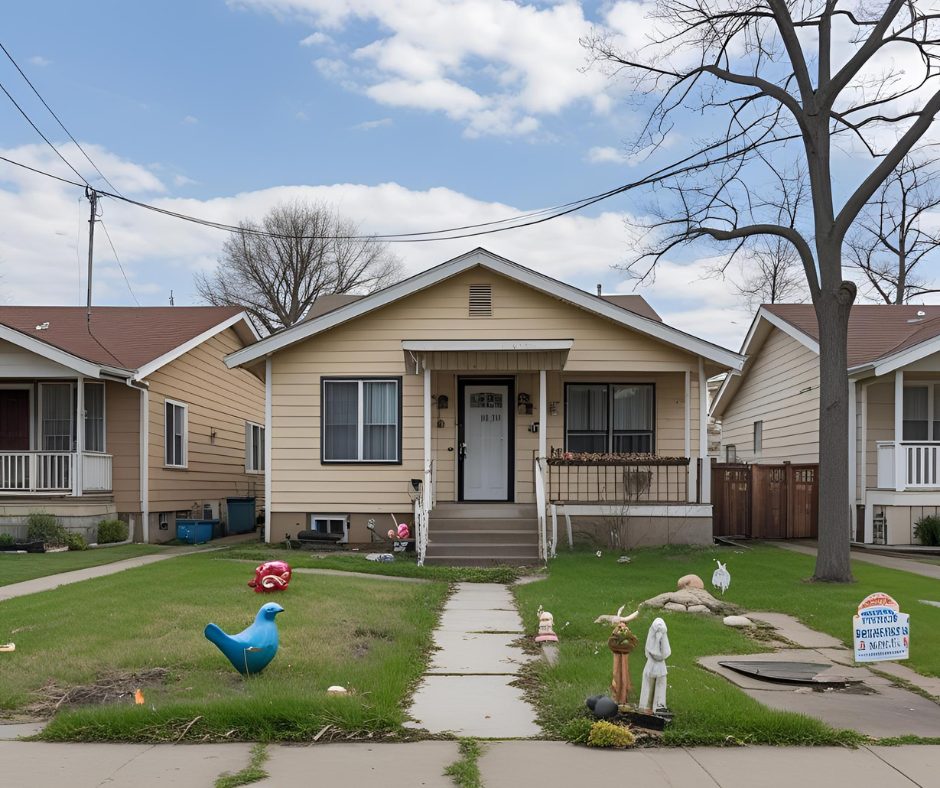
Boost Your Curb Appeal Without Breaking the Bank

First impressions matter—especially when it comes to your home. Whether you’re getting ready to sell or just want your neighbors to say “wow” when they walk by, a few small updates can make a huge difference. And the best part? You don’t need a massive budget to make it happen.

Here are some budget-friendly curb appeal projects that pack a serious punch:

  • Paint your front door and siding – A fresh coat of paint goes a long way! Choose a bold color for the door to make it pop.
  • Replace your house numbers – Modern, easy-to-read numbers instantly upgrade your exterior style.
  • Update your landscaping – Trim bushes, plant colorful flowers, or add fresh mulch. Instant facelift!
  • Swap out old light fixtures – New lighting = new vibes. Plus, it adds safety and charm.
  • Power wash the driveway – You won’t believe the difference a good rinse can make.
  • Update hardware – New door knobs, handles, or shutter hardware can tie everything together.

These mini projects are perfect weekend warriors—and they can help boost your home’s value too!

Have you tackled any of these projects lately? Drop a photo or tell me which one’s next on your list!

Home Selling April 16, 2025

Why Isn’t Your Home Selling? 8 Common Issues (and How to Fix Them)

You never expect it, but sometimes even the best homes sit on the market longer than they should. If you’ve found yourself wondering, “Why isn’t my home selling?”—you’re not alone. It happens to great agents and beautiful homes.

But here’s the good news: there’s almost always a reason why—and often, it’s something we can address without panic price drops. Let’s walk through some common reasons homes don’t sell (and how to fix them).


1. Outdated Features or Floor Plans

Many homes in our area have layouts or features that just don’t match what today’s buyers are looking for—think small bedrooms, low ceilings, or limited storage. Even newer homes with contractor-grade finishes can get overlooked if they don’t feel move-in ready.

The Fix: I walk each home with my buyers’ eyes. I highlight what can be modernized affordably and connect my sellers with trusted local contractors for quick updates. If big changes aren’t realistic, we adjust our pricing or marketing strategy accordingly—sometimes offering creative solutions like seller concessions to make the home more appealing.


2. Visible Condition Issues

Chipped paint, worn carpet, or obvious maintenance needs might seem minor, but buyers often see them as red flags—or expensive projects.

The Fix: I don’t gloss over condition concerns. I provide sellers with a prep checklist after a pre-listing walk-through and can connect them with my go-to painters, cleaners, and handymen to knock out quick fixes. I also offer staging tips and, if sellers want to go a step further, can connect them with a professional home stager.


3. Pricing Strategy That Misses the Mark

Pricing too high? Buyers won’t even click. Too low? You’re leaving money on the table. Throw in things like HOA fees, special tax districts, or higher interest rates, and buyers’ budgets shrink fast.

The Fix: I use hyper-local comps and data to help sellers land on the right price—and understand how monthly payments, taxes, and fees affect what buyers can afford. I create a clear net sheet so you know exactly where your money’s going, and we price strategically to stay competitive without giving away equity.


4. Changing Market Conditions

Real estate is always evolving. School boundary changes, new construction, or even a shift in buyer demand can all impact how quickly a home sells.

The Fix: I stay on top of local market data and keep my sellers informed so we can adapt fast. Whether it’s tweaking pricing, adjusting marketing, or timing our strategy to local trends, we stay flexible and informed every step of the way.


5. Lack of Honest Communication

Sometimes the issue isn’t the house—it’s the lack of clear communication between agent and seller. Misunderstandings can lead to missed opportunities or mismatched expectations.

The Fix: I start every listing with a full presentation that outlines the game plan: market data, pricing strategy, staging tips, and our marketing rollout. Then I keep sellers updated through regular check-ins, feedback reports, and honest conversations about what’s working (and what’s not).


6. Weak Marketing Strategy

If the home isn’t generating buzz, it might be a marketing issue—not a property issue. Simple mistakes, like missing tags in the MLS or weak listing descriptions, can limit visibility.

The Fix: I treat every listing like a launch. I double-check MLS details, schedule a kick-off open house with online and door-to-door invitations, and make sure the listing appears in as many relevant online spaces as possible. I also provide engaging printed marketing materials inside the home to give buyers something memorable to take with them.


7. Uninspiring or Poor-Quality Photos

Photos are often a buyer’s first impression—and if they’re dark, cluttered, or poorly framed, that first impression might be the last.

The Fix: I always bring in a professional photographer who knows how to capture the home’s best angles and lighting. If the home is vacant or needs a visual boost, we can explore virtual staging as well. Every photo is reviewed carefully before going live—no cutting corners here.


8. No Curb Appeal or Staging Strategy

Even when the price and condition are right, buyers are visual. A cluttered entryway or overgrown yard can turn them off before they even step inside.

The Fix: I share tried-and-true curb appeal and staging tips to help sellers make a strong first impression—whether that’s tidying up the yard, decluttering the entryway, or using lighting and mirrors to open up smaller spaces. And if a bigger transformation is needed, I can refer a trusted stager to help make it happen.


Bottom Line: Homes Don’t Sell Themselves—But You Don’t Have to Figure It Out Alone

If your home isn’t selling, it doesn’t mean something’s wrong with it. It just means it’s time for a new strategy—and that’s where I come in.

👉 Curious what your home needs to get sold? Click here to schedule a call, or DM me with your questions.

💬 What’s the most surprising thing you’ve learned about selling a home? Let’s chat in the comments!

Home Buying March 19, 2025

What You Need to Know About Homeowner’s Insurance

Homeowner’s insurance is one of those things you don’t think about much—until you need it. And when you do, it can be a lifesaver. Your home is likely one of your biggest investments, so having the right coverage is essential to protect it against the unexpected.

Why Homeowner’s Insurance Matters

Homeowner’s insurance isn’t just another bill—it’s a safety net. Here’s what it covers:

  • Repairs and Rebuilding Costs: If your home is damaged by fire, storms, or other covered events, your policy helps pay for repairs or even a full rebuild.
  • Protection for Your Belongings: Many policies also cover personal items like furniture, electronics, and clothing if they’re stolen or damaged.
  • Liability Coverage: If someone gets injured on your property, homeowner’s insurance can help cover medical bills or legal expenses.

In the simplest terms, homeowner’s insurance provides peace of mind. It means you don’t have to stress about the financial impact of unexpected damage or accidents. And since your first insurance payment is typically included in your closing costs, it’s something to budget for from the start.

Rising Costs of Homeowner’s Insurance

Lately, insurance costs have been on the rise. According to industry experts, there are a few key reasons behind this trend:

  • More severe weather events and wildfires are leading to higher claims.
  • Insurance companies are pulling out of high-risk areas, reducing options for homeowners in some states.
  • Past rate increases haven’t kept up with the rise in claims.
  • The cost to rebuild or repair homes has gone up due to higher material and labor costs.

All of these factors mean that homeowners are seeing higher premiums, making it even more important to find the best coverage at the best price.

How to Get the Best Homeowner’s Insurance Policy

While insurance costs are rising, there are still ways to keep your policy affordable:

  • Shop Around: Insurance rates vary widely based on location, provider, and coverage, so compare multiple quotes before settling on a policy. I can connect you with Judge Fite Insurance, a trusted insurance broker that does not charge a broker or service fee, helping you find the best coverage at the best price.
  • Ask About Discounts: Many companies offer discounts for security systems, bundling with auto insurance, or making home improvements that reduce risk.
  • Adjust Your Coverage: Make sure you have enough coverage to protect your home, but avoid paying for unnecessary extras.

Key Takeaways

When you’re planning to buy a home, it’s important to look beyond just your mortgage payment. Homeowner’s insurance is a key part of protecting your investment and should be factored into your budget. And while costs are rising, there are ways to ensure you’re getting the best coverage at the best price.

If you’re a homeowner or planning to become one, what’s your biggest concern about insurance costs? Let’s chat and make sure you’re prepared!

Home DecoratingHome Selling March 11, 2025

Refresh Your Space with the 2025 Sherwin-Williams Color Capsule

A fresh coat of paint can completely transform a home—whether you’re looking to create a more inviting space for yourself or preparing to sell. The Sherwin-Williams 2025 Color Capsule is packed with inspiring shades, from warm neutrals to bold accent colors, making it easier than ever to refresh your home with a modern and stylish look.

The Power of Neutrals in Home Design
When it comes to home colors, neutral tones are a tried-and-true favorite. Soft beiges, warm grays, and creamy whites not only create a calming atmosphere but also make spaces feel bigger, brighter, and more inviting. If you’re planning to sell your home, neutral colors appeal to a wide range of buyers, helping them picture their own furniture and décor in the space. Even if you’re not moving anytime soon, neutral backdrops give you the flexibility to change up décor with pops of color in pillows, rugs, or wall art.

An Easy Upgrade with Big Impact
Painting is one of the simplest and most cost-effective home improvements you can make. Unlike major renovations, a fresh coat of paint requires minimal time and investment but offers instant results. Whether you’re covering up scuff marks, modernizing an outdated space, or adding a trendy accent wall, new paint breathes life into a home.

Thinking About a Move? Let’s Talk!
If you’re considering a move, choosing the right colors before listing your home can make a big difference in how quickly it sells. Not sure which updates will add the most value? Let’s chat! I’d love to help you make smart, impactful improvements—whether you’re refreshing your current home or looking for the perfect new place.

📞 Call or message me to talk about your home goals today!

Home Maintenance February 25, 2025

Unlock the Magic of Glass Cleaner: 9 Surprising Uses Beyond Windows

Think glass cleaner is just for windows? Think again! This household staple is a versatile hero in disguise. Here are nine unexpected ways to put your glass cleaner to work:

  1. Whiteboards: Erase stubborn dry-erase marker residue effortlessly. A quick spray and wipe, and your whiteboard looks brand new.

  2. Hairspray Buildup: Tired of sticky residue on your bathroom surfaces? Glass cleaner dissolves hairspray buildup in a snap.

  3. Kitchen Appliances: From stainless steel to greasy stovetops, glass cleaner cuts through grime, leaving your appliances gleaming.

  4. Car Interiors: Spruce up your dashboard and steering wheel. A little glass cleaner removes fingerprints and dust, making your ride shine.

  5. Stuck Zippers: Got a zipper that’s giving you trouble? A spritz of glass cleaner can lubricate and unstick it without staining the fabric.

  6. Appliance Buttons and Dials: Keep those microwave and oven controls free of grease and grime with a simple wipe-down using glass cleaner.

  7. Sticker Adhesive: Remove pesky sticker residue from glass and other surfaces. Spray, let it sit, then wipe away the gooey mess.

  8. Jewelry Sparkle: For a quick shine on gold, platinum, and diamonds, a light mist of glass cleaner followed by a gentle polish works wonders. (Avoid using on porous stones.)

  9. Doorknobs: Polish those frequently touched doorknobs to a brilliant shine, reducing grime and adding a touch of sparkle to your home.

Who knew that trusty bottle under your sink could do so much? For more ingenious tips and tricks, check out the full article by Jamie Cuccinelli on Martha Stewart’s website.

Home Selling February 20, 2025

The Cost of Selling Off the MLS: Why Exposure Matters

Thinking about selling your home? You might have heard about “private listings” or “off-market sales,” but new research from Zillow shows that sellers who don’t list on the Multiple Listing Service (MLS) are leaving serious money on the table.

Over the past two years, sellers who opted for off-MLS sales lost a collective $1 billion—with the typical home selling for $4,975 less than if it had been marketed on the MLS. And in some areas, like California, sellers missed out on more than $30,000.

Why does this happen? The MLS gives your home maximum exposure, ensuring that all buyers—whether they have an agent or not—can see it. When a home is only marketed privately, it’s often limited to a much smaller pool of buyers, reducing competition and leading to lower sale prices.

Some brokerages are steering sellers toward private networks without fully explaining the downside. But here’s the bottom line: More exposure means more interest, and more interest means a higher sale price.

If you’re thinking about selling, let’s talk. I’ll share a perspective you may not have considered—no pressure, no obligation, just honest guidance. My goal isn’t just to make a sale; it’s to help you maximize your home’s market potential.

Source: Zillow ResearchOff-MLS Home Sellers Left More Than $1 Billion on the Table the Past Two Years (Feb. 14, 2025).

Home Decorating February 3, 2025

How to Brighten a Dark Room: 8 Simple Tips for a Lighter, More Inviting Space

Not every room in a home is blessed with an abundance of natural light. Whether it’s a north-facing space, a first-floor apartment, or a room shadowed by trees or buildings, many homeowners struggle with making a dark, gloomy space feel bright and welcoming. Fortunately, there are several design strategies that can help transform even the dimmest rooms into warm, inviting spaces. Here are eight expert-backed ways to make a dark room feel instantly brighter, inspired by Amanda Lauren’s article for Real Simple.

1. Maximize Natural Light

One of the best ways to brighten a room is by optimizing the natural light that does come in. Regan Billingsley, an interior designer, suggests avoiding heavy window treatments like wood shutters, which can block out light. Instead, opt for light and airy fabrics such as sheer drapes or linen sheers to soften the windows and allow sunlight to filter through.

2. Choose a Simple Color Palette

A neutral color scheme can help create a more open and airy feel. Designer Brittny Button recommends using a ‘less is more’ approach when selecting colors. Lighter tones with subtle textures—such as lime-wash walls or herringbone-patterned floors—can add depth without making a space feel heavy or overwhelming.

3. Paint the Walls a Light Color

A fresh coat of light-colored paint can work wonders in a dim space. Content creator Emily Coyne suggests using soft whites or pale neutrals to reflect light and create a brighter foundation. If repainting an entire room isn’t an option, consider painting just the ceiling white to open up the space and prevent it from feeling too enclosed.

4. Consider the Room’s Orientation When Choosing Paint Colors

Natural light in north-facing rooms often has a cooler tone, which can make certain colors appear dull. To counteract this, Billingsley recommends warm-toned paints like Benjamin Moore’s Alabaster OC-29, which balances cool natural light and helps maintain warmth in a space.

5. Swap Out Dark Furniture

Dark furniture can absorb light and make a space feel even smaller. Instead, opt for lighter-colored pieces to help lift the room’s overall brightness. Designer Audrey Frances Coty suggests incorporating soft beige sofas or accent chairs in muted tones like powder blue or light sage to keep the space feeling fresh and open.

6. Layer Your Lighting

When natural light is limited, artificial lighting becomes even more important. Incorporate a mix of light sources such as table lamps, chandeliers, and sconces to brighten up dark corners. Choosing metallic or glass finishes for fixtures and decor can also help reflect light and enhance the room’s overall brightness, according to Coyne.

7. Lighten Up Dark Wood Flooring

If dark wood floors make your space feel dim, layering with a lighter-colored area rug can break up the darkness and define living areas. Designer Blake Sutton recommends strategically placing rugs in key spots to contrast against the flooring and create a more balanced, inviting atmosphere.

8. Use Mirrors to Reflect Light

Mirrors are an easy and budget-friendly way to amplify light in a room. HomeGoods style expert Ursula Carmona suggests placing mirrors across from windows or light sources to bounce light around the space. Whether it’s a full-length mirror in a dark corner or an arrangement of smaller mirrors as wall art, this simple trick can instantly boost brightness and add depth to a room.

Transform Your Space

If you’re struggling with a dark, uninviting room, these simple adjustments can make a world of difference. From strategic furniture choices to thoughtful lighting solutions, small design tweaks can go a long way in creating a lighter, more welcoming atmosphere.


Thinking about making home improvements before selling? As a real estate professional, I can help you determine which upgrades will boost your home’s value and appeal to buyers. Let’s chat about your goals!

Home Selling December 18, 2024

6 Home Renovations That Cost More Than They’re Worth

When planning home renovations, it’s essential to know which upgrades provide a solid return on investment and which don’t. While some projects may enhance your living experience, they might not increase your home’s value enough to justify the cost—especially if you plan to sell soon. According to Southern Living, here are six costly home improvements that often fail to pay off, along with budget-friendly alternatives.


1. Swimming Pools

Installing an in-ground swimming pool can cost upwards of $30,000 but typically adds only about $5,000 to your home’s value. Additionally, many buyers are wary of the maintenance and safety concerns associated with pools.

Alternative: Opt for an above-ground pool that’s affordable and removable.


2. Upscale Kitchens and Bathrooms

Luxury kitchen and bathroom upgrades—like custom cabinets, high-end appliances, and designer fixtures—recoup only 40–50% of their cost. While a minor kitchen remodel is worthwhile, over-the-top features don’t deliver the same ROI.

Alternative: Refresh spaces with low-cost updates like new cabinet fronts, ceramic tiles, or a fresh coat of paint.


3. Garage Conversions

Converting a garage into living space may seem appealing, but garages are highly desirable, especially in areas with limited parking or harsh winters. Losing one can lower your home’s resale appeal.

Alternative: Finish your basement instead, which can recoup around 86% of the cost while keeping the garage intact.


4. Sacrificing a Bedroom for a Primary Suite

Turning a bedroom into a larger primary suite might sound appealing, but even a small guest bedroom is often more valuable than added space or a walk-in closet. There are exceptions—like adding a second bathroom in a one-bathroom house—but this renovation typically recovers only about 56% of its cost.

Alternative: Enhance your bedroom with affordable upgrades like new furniture, built-in storage, or fresh paint. Consider small-scale changes to maximize existing space.


5. Installing Carpet

Wall-to-wall carpeting, especially over hardwood floors, can hurt resale value. Buyers often prefer wood or vinyl flooring, which are easier to maintain and have broader appeal.

Alternative: Invest in refinishing hardwood floors, which can recover nearly 150% of the cost. For new flooring, choose wood or high-end vinyl.


6. Building an Addition

While additional bedrooms or bathrooms can make a home more functional, the cost of building an addition far exceeds the value it adds. On average, you’ll recoup just 25–35% of the investment.

Alternative: If you’re not staying in the home long-term, consider whether moving to a larger property makes more sense financially.


Final Thoughts

If you’re planning to sell soon, focus on cost-effective improvements that enhance your home’s appeal without breaking the bank. Consulting with a real estate agent can help you determine the best strategy for your home and market.

Source: Southern Living Magazine, Brandee Gruener, “6 Costly Home Improvements That Won’t Boost Your Property Value” (December 4, 2024).

Home Selling December 7, 2024

Maximize Your Sale

If you’re considering selling your house in 2025, timing is key. Each season offers unique advantages that can help maximize your success. Here’s a quick guide to the benefits of selling your house in each season:


Winter – Motivated Buyers, Less Competition

During the late fall and winter months, homeowners might hesitate to list their properties, waiting for the perceived “hot” spring market. However, this quieter season offers unique advantages. With fewer homes on the market, your property has a better chance to stand out and attract motivated buyers who are serious about making a purchase before the new year. They often have pressing timelines, such as relocating for work or locking in current interest rates, making December, January and February an ideal time to sell.


Spring – High Demand and Competitive Offers

Spring is prime time for house sales, as warmer weather encourages buyers to start their search. Selling your house during the months of March, April and May often means more buyer interest and the potential for multiple offers, helping you achieve top value.


Summer – Ideal for Families and Flexible Timelines

Summer is perfect for families who want to settle in before a new school year. Selling your house during June, July and August can be especially effective if you have buyers with children or those who have more time to view homes on vacation.


Fall – Serious Buyers and Cozy Curb Appeal

Fall buyers tend to be focused on moving before the holidays, and the season’s cozy aesthetic can make your house feel even more inviting. With many buyers still active, selling your house during the months of September, October and November offers the advantage of high demand with less competition.


If you’d like help deciding the best season to sell your house in 2025, we’re here to provide expert insights and support. Whatever the season, we’ll make sure your sale is a success.

Call me at (817) 300-8535 to discuss how we can achieve your real estate goals

Home Buying November 21, 2024

Understanding Assumable Mortgages: What Home Buyers Need to Know

In today’s dynamic real estate market, buyers are increasingly exploring alternative financing options. One often-overlooked possibility is an assumable mortgage. This financing strategy could be particularly valuable in our current interest rate environment, but it’s essential to understand both its benefits and potential pitfalls.

What Is an Assumable Mortgage?

An assumable mortgage allows a home buyer to take over the seller’s existing loan. The buyer inherits the original interest rate, remaining principal balance, repayment period, and all other loan terms established by the previous owner.

Types of Assumable Mortgages

Most conventional fixed-rate mortgages are not assumable. However, FHA loans, VA loans, USDA loans, and some conventional adjustable-rate mortgages (ARMs) typically offer assumption options. This limitation in availability makes finding a home with an assumable mortgage one of the primary challenges for interested buyers.

How Assumption Works: A Real-World Example

Let’s say Sarah is selling her home, which she purchased in 2021 with an FHA loan. Her original loan amount was $300,000 at a 3.25% interest rate, with $275,000 currently remaining on the balance. The home’s market value has increased to $350,000.

If John wants to buy Sarah’s home today when market rates are 7%, he could assume Sarah’s loan at 3.25% for the remaining $275,000 and secure additional financing or provide cash for the $75,000 difference.

Benefits of Assuming a Mortgage

Assuming a mortgage in a high-rate environment can lead to significant monthly savings through a lower interest rate. The process typically involves reduced closing costs compared to new mortgage origination fees, and the assumption process is often faster than applying for a new mortgage.

When Assumption Makes Sense

An assumable mortgage becomes particularly attractive when current market rates significantly exceed the existing loan rate and the remaining loan balance is substantial. Success depends on having funds available for the down payment difference and meeting the lender’s qualification requirements.

Potential Drawbacks and Challenges

The primary challenge lies in equity gap financing—funding the difference between the loan balance and purchase price. This often requires a second mortgage at current market rates, and some lenders may be hesitant to provide such financing.

Qualification requirements present another hurdle. Buyers must meet the lender’s credit and income requirements, and for VA loans, eligibility for VA benefits is necessary (active service members, veterans, or eligible surviving spouses). Additionally, the original lender must approve the assumption.

Making the Decision: Key Considerations

The length of time you plan to stay in the home significantly impacts the value of an assumption. A longer stay allows the potential savings from a lower interest rate to compound over time, helps offset any higher-rate gap financing, and better amortizes transaction costs. Before proceeding, ensure you can qualify for the assumption, have adequate funds for the equity gap, and carefully compare the assumed rate to current market rates.

Steps to Move Forward with an Assumable Mortgage

Success with an assumable mortgage requires careful preparation and evaluation. Begin by calculating total costs, including gap financing, and comparing various financing options. Consulting with a qualified mortgage professional can help ensure you understand all implications of the assumption process.

While the potential savings can be substantial, assumable mortgages aren’t universally beneficial. The key lies in understanding your financial situation and carefully evaluating all available options before making this significant financial decision.

Ready to Explore Assumable Mortgages?

Navigating assumable mortgages requires expertise and careful consideration of your unique situation. As your real estate professional, I’m here to help you understand your options. Whether you need a trusted lender referral, want to discuss finding homes with assumable mortgages, or have questions about the assumption process, let’s connect. Contact me today for a personalized consultation about your home buying journey.